How to Choose the Right Roof Ventilation and Insulation for Your Home or Business
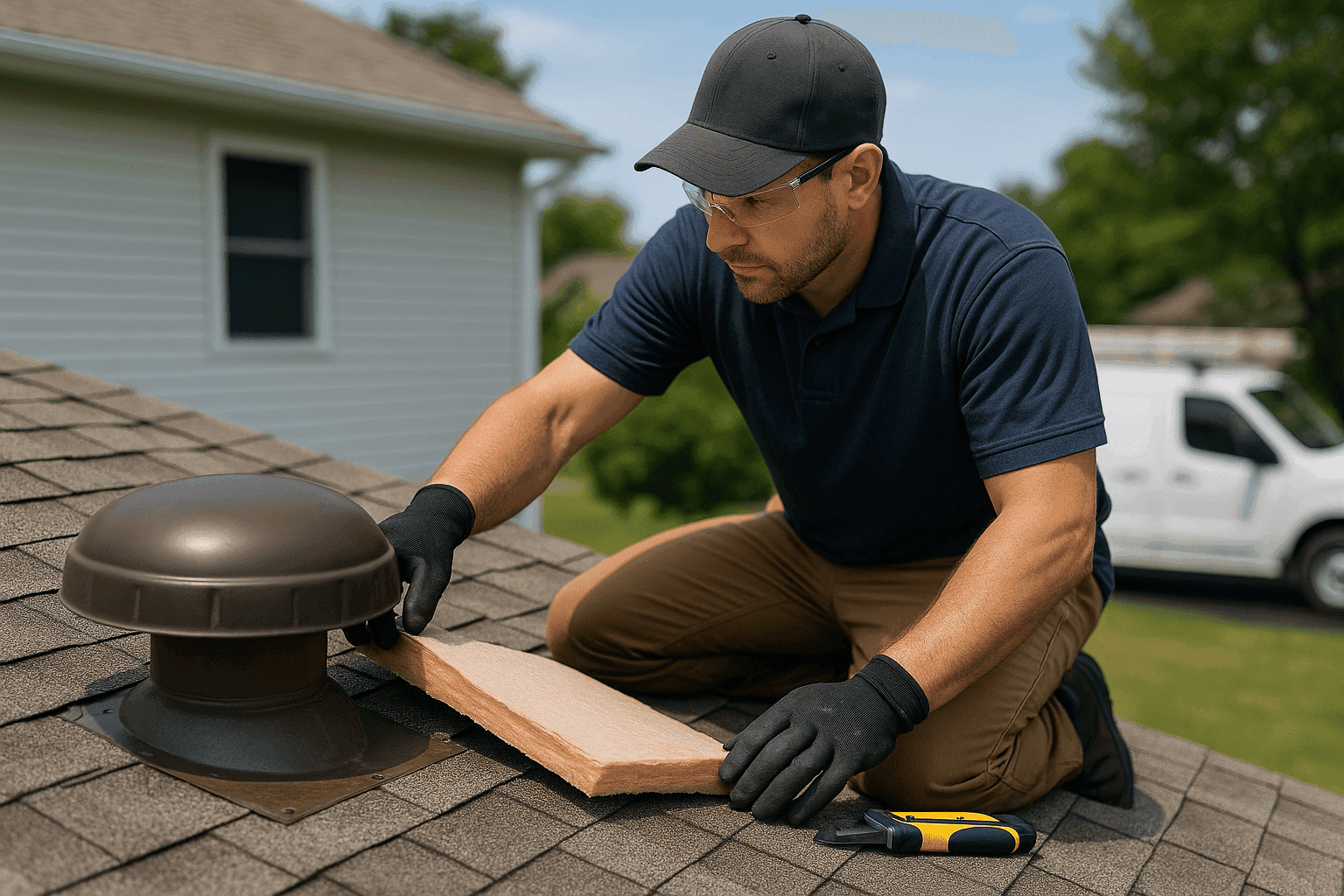
Is your home or business feeling stuffy, drafty, or just not quite right? Sometimes, the problem isn’t what you can see—it’s what’s above you. At Gregory's Custom Roofing, we know that the right roof ventilation and insulation can make all the difference between a cozy, efficient space and one that’s costing you money and comfort.
Whether you’re dealing with sweltering heat, freezing drafts, or unexpected leaks, your roof’s “lungs and blanket” are working overtime. Let’s break down how to choose the best setup for your property—so you can breathe easy and stay protected, no matter what the weather throws your way.
Why Roof Ventilation and Insulation Matter 🏠
Think of your roof as the hat and scarf for your building. Ventilation acts like the air holes, letting your home or business “breathe” and release trapped heat and moisture. Insulation is the cozy lining, keeping the temperature just right inside.
Here’s why getting both right is so important:
- Energy efficiency: Proper ventilation and insulation can lower heating and cooling bills by up to 15% (U.S. Department of Energy).
- Comfort: Say goodbye to stuffy summers and chilly winters inside.
- Roof health: Moisture and heat buildup can warp decking, rot wood, and shorten your roof’s lifespan.
- Mold and mildew prevention: Good airflow and insulation keep dampness—and the musty smells that come with it—at bay.
- Ice dam prevention: In cold climates, the right setup helps prevent ice dams, which can cause leaks and damage.
Without these key layers, even the sturdiest roof can develop hidden problems. That’s why building codes (like those from the International Residential Code) require minimum ventilation and insulation standards.
Types of Roof Ventilation
Choosing the right ventilation isn’t just about picking a vent and calling it a day. Each type serves a different purpose and works best in certain roof designs.
Ridge Vents
Ridge vents run along the peak of your roof, letting hot, moist air escape naturally. They’re subtle—almost invisible from the ground—and provide continuous airflow.
Pros:
- Even ventilation across the attic
- No moving parts, so very little maintenance
Cons:
- Must be paired with soffit vents for best results
- Not ideal for all roof shapes
Soffit Vents
These vents are installed under the eaves (the “soffit” area) and let fresh, cool air enter the attic space.
Pros:
- Essential for balanced airflow
- Help prevent moisture buildup
Cons:
- Can get blocked by insulation if not installed carefully
Turbine Vents
Turbine vents (also called “whirlybirds”) spin in the wind, pulling hot air out of the attic.
Pros:
- Boost airflow, especially on windy days
- Can be retrofitted to older roofs
Cons:
- Moving parts may need occasional oiling or repair
- Can be noisy in strong winds
Other Options
- Gable vents: Installed on the ends of attic walls, great for cross-ventilation.
- Powered attic fans: Use electricity to force air out, but may increase energy use if not sized correctly.
Choosing the Right Insulation Material
Insulation is your roof’s comfort blanket. There are a few main types, each with its own strengths.
Spray Foam
Spray foam expands to fill gaps and cracks, sealing out drafts and moisture.
Pros:
- Excellent air seal and high R-value (thermal resistance)
- Reduces air leaks and energy loss
Cons:
- Higher upfront cost
- Professional installation required
Fiberglass Batts
This classic pink or yellow insulation is cut to fit between rafters and joists.
Pros:
- Affordable and widely available
- Easy to install in open spaces
Cons:
- Can leave gaps if not fitted snugly
- Loses effectiveness if it gets wet
Cellulose
Made from recycled paper and treated for fire resistance, cellulose is blown into cavities.
Pros:
- Eco-friendly
- Fills odd-shaped spaces well
Cons:
- Can settle over time, reducing effectiveness
- Absorbs moisture if not properly protected
Rigid Foam Boards
Solid panels that provide high insulation value for their thickness.
Pros:
- Great for low-slope or flat roofs
- Moisture resistant
Cons:
- Can be trickier to fit around obstacles
- More expensive than batts or cellulose
Tip: The right insulation depends on your roof type, climate, and budget. The Department of Energy provides recommended R-values for different zones—always check before upgrading.
Signs You Need to Improve Ventilation or Insulation
How do you know if your roof’s “lungs and blanket” need help? Watch for these warning signs:
- High energy bills: Sudden spikes often point to energy loss through the roof.
- Moisture or mold in the attic: Damp insulation, mildew smells, or stained rafters are red flags.
- Ice dams in winter: Icicles hanging from the roof edge can signal poor airflow and insulation.
- Hot or cold spots indoors: Rooms that never seem to reach the right temperature.
- Peeling paint or warped wood: Moisture escaping through the roof can cause visible damage inside.
If you spot any of these, it’s time to take action before bigger problems develop.
Maintenance Tips for Longevity 🛠️
Keeping your ventilation and insulation in top shape isn’t a once-and-done job. Regular checks and simple upkeep can save you money and headaches down the line.
- Inspect attic vents twice a year: Look for blockages from dust, insulation, or nests.
- Check insulation after storms: Wet insulation needs to be replaced to prevent mold.
- Seal air leaks: Use caulk or foam to close gaps around pipes, chimneys, and wiring.
- Clear soffit vents: Make sure insulation isn’t blocking airflow at the eaves.
- Watch for pest activity: Birds, squirrels, and insects can damage both vents and insulation.
Schedule a professional inspection every few years—or after major weather events—to catch issues early.
When to Call a Roofing Expert
Some jobs are best left to the pros, especially when safety or hidden problems are involved.
Call Gregory's Custom Roofing if:
- You see signs of mold, rot, or structural damage.
- Your attic is hard to access or has tricky architecture.
- You need emergency roofing help after a storm or leak.
- You’re planning a major renovation or roof replacement.
Our team follows industry best practices and safety guidelines from organizations like the National Roofing Contractors Association (NRCA). We’ll assess your ventilation, insulation, and roof health to recommend the right solution for your property.
Frequently Asked Questions
Q: How often should I check my attic ventilation and insulation?
A: Twice a year is a good rule of thumb—once in spring and once in fall. Always check after severe weather, too.
Q: Can I add new insulation over old insulation?
A: In many cases, yes—as long as the old insulation is dry and free of mold. Compressing insulation can reduce its effectiveness, so be careful.
Q: What’s the best way to prevent ice dams?
A: Proper attic insulation and balanced ventilation are key. Make sure warm air isn’t leaking into the attic, and that air can flow from soffit to ridge.
Q: Are eco-friendly insulation options effective?
A: Absolutely. Materials like cellulose and certain spray foams offer strong performance and a smaller environmental footprint.
Special Considerations for This Service
- Flat roofs: Require special attention to both insulation type and vent placement to avoid moisture traps.
- Historic buildings: May need custom solutions to preserve original materials while improving energy efficiency.
- Commercial properties: Larger spaces often need more advanced ventilation systems and higher R-values.
Remember, every roof is unique. What works for one building may not work for another. That’s why a tailored approach is so important.
Ready to make your home or business more comfortable, efficient, and protected? Call Gregory's Custom Roofing now — or reach us anytime at 888-991-2840 .