The Complete Guide to Eco-Friendly Roofing: Materials, Benefits, and Installation Tips
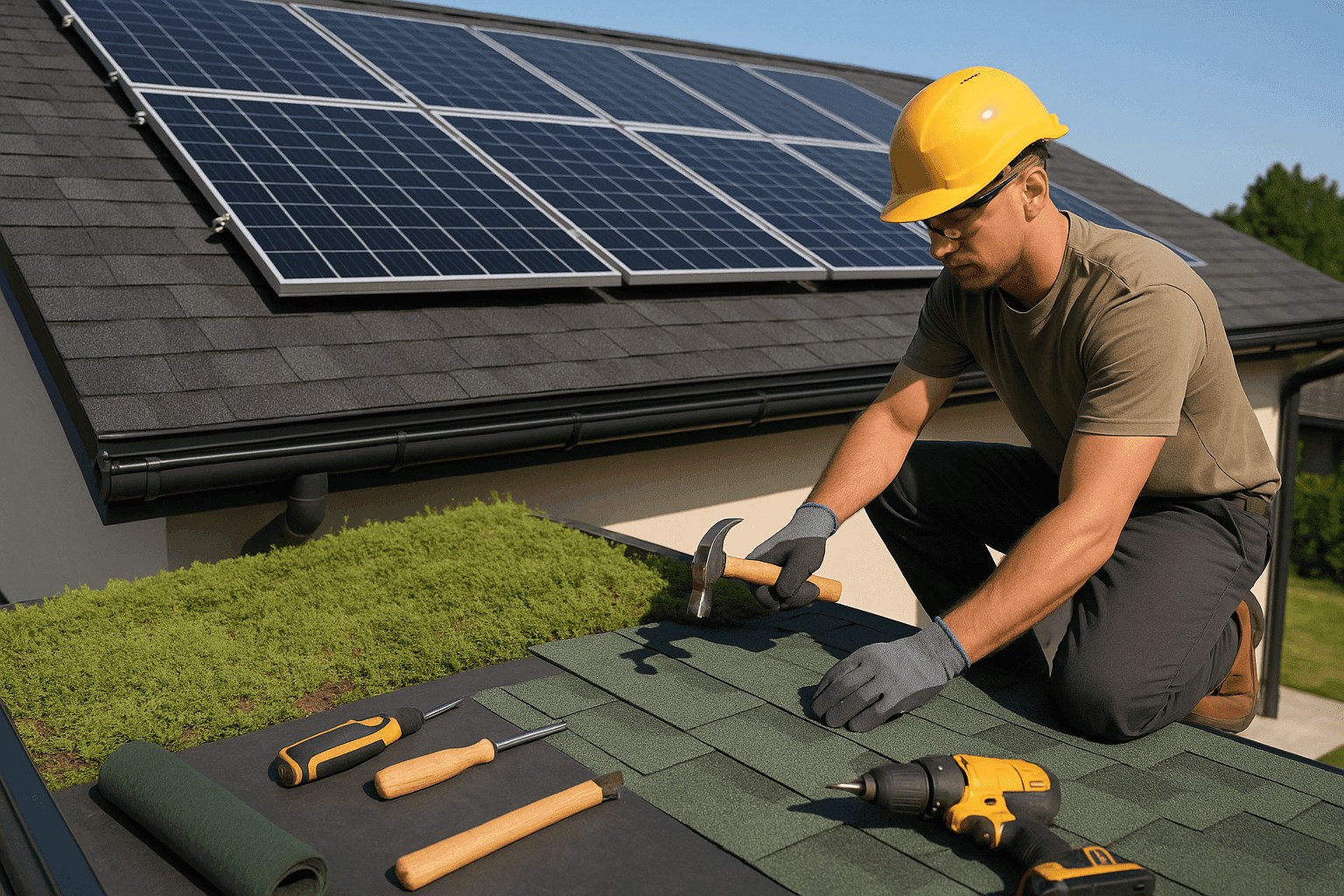
A roof isn’t just a hat for your home or business. It’s your first line of defense against the elements—and a big opportunity to make a real difference for the planet. If you’re searching for ways to cut energy bills, boost property value, and tread lighter on the earth, eco-friendly roofing is a smart move.
At Gregory’s Custom Roofing, we know choosing a sustainable roof can feel overwhelming. There’s a maze of materials, installation methods, and maintenance tips out there. This guide breaks it all down—so you can make confident, informed choices for your property, your budget, and the environment.
What Does Eco-Friendly Roofing Really Mean? 🌱
Eco-friendly roofing isn’t just a trend. It’s a commitment to using materials and methods that reduce environmental impact—before, during, and long after installation. Think of your roof as a garden: the right choices help it thrive with less water, less waste, and more benefits for everyone.
Common green roofing materials include:
- Metal roofing (often made from recycled steel or aluminum)
- Clay and concrete tiles
- Cool roofing coatings that reflect sunlight
- Recycled shingles (from rubber, plastic, or wood fibers)
- Living roofs (covered with vegetation)
- Single-ply membranes with high solar reflectance
Each of these options comes with unique perks and considerations. Let’s dig deeper.
Why Choose Eco-Friendly Roofing? The Real Benefits
Going green with your roof isn’t just about saving a few trees. The benefits reach far beyond the environment:
- Lower energy bills: Reflective and insulated roofs keep your building cooler in summer and warmer in winter.
- Reduced carbon footprint: Sustainable materials often require less energy to produce and transport.
- Longer lifespan: Many eco-friendly roofs are tougher and last longer than traditional options.
- Healthier indoor air: Some materials help control moisture and reduce mold risk.
- Boosted property value: Green roofs are an attractive feature for buyers and renters.
- Better stormwater management: Living roofs and certain coatings absorb rainwater, easing stress on gutters and drains.
According to the U.S. Department of Energy, cool roofs can lower roof surface temperature by up to 50°F, translating to significant savings and comfort inside.
Choosing the Right Eco-Friendly Roof for Your Property
No two roofs—or owners—are alike. The “best” eco-friendly roofing material depends on your building type, climate, and goals. Here’s how to narrow it down:
For Homes
- Metal roofing: Lightweight, fire-resistant, and often made from recycled materials. Great for reflecting heat and lasting decades.
- Tile roofing: Clay or concrete tiles offer natural insulation and are highly durable.
- Cool roof shingles: Designed to reflect more sunlight than standard shingles, keeping attics cooler.
For Small Businesses
- Flat roofs: Single-ply membranes (like TPO or PVC) with reflective coatings are popular for commercial buildings.
- Green/living roofs: These add a layer of plants, helping manage stormwater and improve insulation.
- Metal or tile options: Also suitable for businesses, especially if longevity and low maintenance are priorities.
Climate Considerations
- Hot, sunny areas: Prioritize reflective coatings and light-colored materials.
- Wet climates: Look for materials with excellent drainage and resistance to mold or algae.
- Cold regions: Insulated materials and proper ventilation help prevent ice dams and heat loss.
How Eco-Friendly Roofs Are Installed: Best Practices
Proper installation is the secret sauce. Even the greenest materials need expert hands to perform their best.
Key Steps for Lasting Results
- Thorough inspection: Assess structure, ventilation, insulation, and existing issues.
- Removal of old roofing (if needed): Dispose of materials responsibly—many can be recycled.
- Install insulation: High-quality insulation reduces energy waste.
- Lay down eco-friendly materials: Follow manufacturer specs and building codes (see International Building Code guidelines).
- Seal and flash: Use durable, non-toxic sealants to prevent leaks at edges, chimneys, and skylights.
- Final inspection: Double-check for gaps, loose fasteners, and debris.
A well-installed roof is like a well-baked cake—skip a step, and the whole thing can fall flat.
Quick Safety Checklist for Eco-Friendly Roofing Projects
Roof work is risky—especially when dealing with new materials or emergency roofing situations. Here’s a quick safety rundown:
- Wear non-slip shoes and a safety harness
- Use ladders on stable, level ground
- Avoid working in wet, windy, or icy conditions
- Keep tools organized and clear of walking paths
- Never work alone—always have someone nearby
- Check for electrical hazards (wires, solar panels)
- Follow OSHA’s fall protection guidelines
Safety isn’t just a box to check. It’s the foundation of every project we handle.
DIY Eco-Friendly Roofing vs. Calling a Pro
Tempted to tackle your own roof? It’s like fixing a leaky faucet—sometimes doable, but often riskier and more complex than it looks.
DIY Might Work If:
- You’re replacing a few shingles or applying a small amount of cool roof coating
- You have roofing experience and all required safety gear
- The roof pitch is low and easily accessible
Call a Pro When:
- Full roof replacement or major repairs are needed
- Structural or leak issues are present
- The roof is steep, tall, or complex
- Emergency roofing services are required (storm damage, sudden leaks)
A professional brings expertise, the right tools, and knowledge of current building codes and eco-friendly installation methods.
What Happens When Pros Arrive
When you call Gregory’s Custom Roofing, here’s what to expect:
- Assessment: We inspect your roof, gutters, and attic for signs of damage, leaks, or ventilation issues.
- Material recommendations: Based on your needs, budget, and local climate.
- Detailed plan: Timeline, safety measures, and clear communication about each step.
- Professional installation: Following manufacturer specs and safety codes.
- Final walkthrough: We check every detail—and make sure you’re comfortable with maintenance tips.
We treat your property like our own—neat, respectful, and thorough.
Maintenance Tips to Keep Your Eco-Friendly Roof Going Strong
A green roof isn’t “set it and forget it.” Regular care keeps it efficient and beautiful.
- Inspect twice a year: Look for loose shingles, cracked tiles, or worn coatings.
- Clean gutters and downspouts: Prevent water buildup that can damage roofing materials.
- Trim overhanging branches: Reduce debris and minimize shade that can encourage moss.
- Check for leaks after storms: Prompt repairs prevent bigger issues.
- Maintain ventilation and insulation: Proper airflow prevents moisture problems.
For living roofs, water and fertilize plants as needed, and remove weeds to keep the ecosystem healthy.
Costs & Time Factors: What to Expect
Eco-friendly roofs can cost more upfront than traditional shingles, but the investment pays off over time.
- Material costs: Metal, tile, and specialty coatings are pricier than asphalt, but often last 2–3 times longer.
- Labor: Installation may require more skill, especially for green or living roofs.
- Time: Most residential projects take 1–5 days, depending on roof size and complexity.
- Savings: Lower utility bills and fewer repairs add up year after year.
According to ENERGY STAR, cool roofs can lower annual air conditioning costs by up to 15%. That’s money back in your pocket.
When It’s an Emergency: Eco-Friendly Roofing Under Pressure ⚡
Storms, high winds, and sudden leaks don’t wait for a convenient time. In an emergency roofing situation, eco-friendly solutions can still shine.
- Metal and tile roofs: Often withstand storms better than asphalt.
- Reflective coatings: Can be applied quickly to patch leaks and reduce heat gain.
- Fast repairs: Many sustainable materials are designed for quick, modular replacement.
If your roof is damaged, don’t wait. Emergency roofing services from Gregory’s Custom Roofing can help prevent further damage and get your building back on track—sustainably.
Common Questions About Eco-Friendly Roofing
Do eco-friendly roofs really last longer?
Many do. Metal and tile roofs, for example, can last 40–70 years with proper care. Even recycled shingles and cool roof coatings often outlast traditional asphalt.
Will a green roof work for my building?
Most homes and businesses can benefit from some type of eco-friendly roofing. The key is choosing materials and methods that fit your structure and climate.
Are eco-friendly roofs more expensive?
Upfront, yes. Over time, energy savings, fewer repairs, and longer lifespan often make them more cost-effective.
Is special maintenance required?
Not always. Most green roofs need the same basic care as standard roofs—regular inspections, gutter cleaning, and prompt repairs. Living roofs may need extra care for plants.
Special Considerations for Eco-Friendly Roofing
- Building codes: Always check local building codes and fire regulations. Some areas have specific requirements for reflective coatings or living roofs (see International Building Code).
- Weight: Tile and vegetative roofs can be heavy. Ensure your structure can support the load.
- Ventilation and insulation: Proper airflow and insulation are essential for energy savings and roof health.
- Storm protection: Choose materials rated for wind, hail, and fire as needed.
- Recycling: Old roofing materials can often be recycled—ask your installer about responsible disposal.
Choosing eco-friendly roofing is a big step toward a more sustainable, comfortable, and valuable property. Whether you’re repairing after a storm or planning a new build, Gregory’s Custom Roofing is here to help.
Ready to start your eco-friendly roofing journey?
Call Gregory's Custom Roofing now — or reach us anytime at 888-991-2840 .