How to Extend Your Roof’s Lifespan: Essential Maintenance Tips for Homeowners and Small Businesses
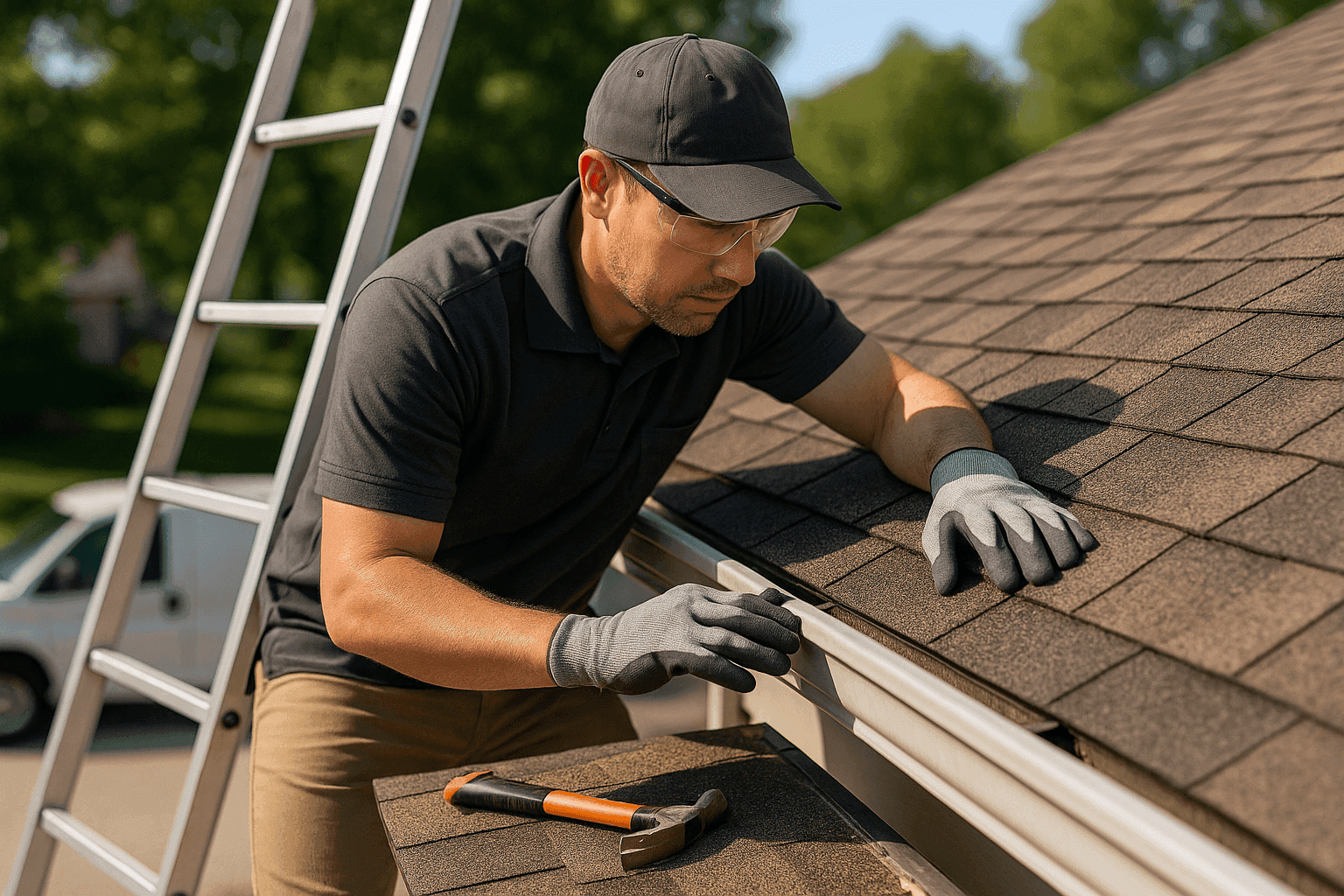
Does your roof feel like a silent guardian? It takes the heat, the rain, the wind, and keeps your family or business safe. But even the toughest shield needs a little care. Ignoring your roof is like skipping oil changes on your car—problems build up quietly, then hit hard.
At Gregory's Custom Roofing, we’ve seen every kind of roof—shingle, tile, metal, flat, old, new, storm-battered, or sun-bleached. With 24/7 emergency roofing services, we know what it takes to keep roofs strong, safe, and energy-efficient year after year.
Why Roof Maintenance Matters 🏠
Think of your roof as your property’s first line of defense. If it fails, everything beneath it is at risk. Regular maintenance isn’t just about looks—it’s about safety, savings, and peace of mind.
- Save Money: Small issues cost little to fix. Left alone, they grow into expensive problems.
- Stay Safe: A leaky or unstable roof can lead to mold, electrical hazards, or even structural collapse.
- Boost Energy Efficiency: Proper insulation and ventilation help keep heating and cooling bills in check.
- Protect Property Value: A well-maintained roof keeps your investment strong.
According to the International Association of Certified Home Inspectors, most roofs last 20–30 years with care. Neglect can cut that in half.
Seasonal Maintenance Checklist
Each season brings its own challenges. Staying ahead means less stress and fewer surprises.
Spring
- Inspect for winter damage: cracked shingles, loose flashing, sagging gutters.
- Clear debris from roof, gutters, and downspouts.
- Check attic for leaks or damp insulation.
Summer
- Look for sun damage: blistered or curling shingles.
- Trim tree branches near the roof.
- Ensure attic ventilation is working to prevent heat buildup.
Fall
- Clean gutters and downspouts before leaves pile up.
- Inspect sealants around vents, skylights, and chimneys.
- Schedule a professional inspection before winter.
Winter
- Watch for ice dams and heavy snow buildup.
- Check ceilings for water stains.
- Use a roof rake to gently remove excess snow if safe to do so.
Inspecting for Common Issues
Spotting trouble early is key. Here’s what to look for:
- Damaged Shingles: Missing, cracked, or curled shingles are weak spots.
- Clogged Gutters: Overflowing gutters can lead to water backing up and damaging your roof.
- Worn Flashing: Loose or rusted flashing around chimneys, vents, or skylights lets water sneak in.
- Sagging or Soft Spots: These may signal structural problems or rot.
- Moss or Algae Growth: Looks harmless but traps moisture and weakens roofing materials.
Walk around your home or business. Use binoculars if needed—never climb onto a roof without proper safety gear.
Preventative Measures
A little effort goes a long way. Here’s how you can help your roof last:
- Clean Gutters Regularly: At least twice a year, more if you have overhanging trees.
- Apply Roof Sealants and Coatings: These add a protective layer against sun, rain, and wind.
- Maintain Ventilation & Insulation: Proper airflow prevents moisture and heat damage. Check insulation for dampness or gaps.
- Trim Trees: Overhanging branches can scrape or fall onto your roof.
- Check Attic: Look for signs of leaks, mold, or pests.
The National Roofing Contractors Association recommends professional inspections at least once a year, plus after major storms.
When to Call a Professional
Some jobs are best left to the pros—especially when safety or major repairs are involved. Call Gregory's Custom Roofing if you notice:
- Persistent leaks or water stains inside.
- Sagging rooflines or visible structural damage.
- Missing shingles after a storm.
- Large patches of mold, moss, or algae.
- Damage to skylights, chimney flashing, or vents.
- Gutter systems pulling away from the house.
And of course, if you need emergency roofing services, don’t wait. Quick action can save thousands in repairs.
How Gregory's Custom Roofing Responds
When you call us—day or night—here’s what you can expect:
- Rapid Assessment: We arrive fast, inspect the roof, and identify the issue.
- Safety First: Our team follows OSHA safety guidelines to keep everyone protected.
- Temporary Fixes: If needed, we’ll tarp or patch the area to prevent further damage.
- Clear Communication: We explain what’s wrong and what needs to be done next.
- Quality Repairs: Our experienced crew handles everything from shingle replacement to structural repairs, always using the right materials for your roof type.
Practical Tips for Roof Longevity
- Schedule Annual Inspections: Even if nothing seems wrong.
- Keep Gutters Clear: Water backup is a leading cause of leaks.
- Watch for Storm Damage: Hail and wind can cause hidden problems.
- Upgrade When Needed: Modern materials offer better protection and energy savings.
- Consider Eco-Friendly Options: Cool roofs, reflective coatings, and proper insulation can reduce your carbon footprint and lower bills.
Costs and Time Factors
Roof maintenance doesn’t have to break the bank. Most routine tasks—like gutter cleaning or small repairs—are affordable and quick. Major repairs or full replacements cost more, but regular care stretches out the time before you need big work.
- Simple fixes: 1–2 hours for a pro, less for DIYers.
- Annual inspections: Usually under half a day.
- Major repairs: Can take 1–3 days, depending on the issue.
- Replacement: Several days to a week, depending on size and material.
Remember, catching problems early means less downtime and lower costs.
When It’s an Emergency
Some roofing problems can’t wait:
- Water pouring in after a storm.
- Part of the roof blown off or caved in.
- Electrical hazards from water leaks.
- Sudden, severe sagging or collapse.
If you see these, call emergency roofing services immediately. Stay out of rooms where the ceiling is wet or sagging. Safety comes first.
Frequently Asked Questions
How often should I inspect my roof?
Inspect at least twice a year—spring and fall—and after severe weather.
Can I do roof repairs myself?
Small fixes like clearing gutters or replacing a shingle are possible for handy homeowners. For anything involving heights, structural work, or leaks, call a professional.
What’s the best way to prevent leaks?
Keep gutters clean, check flashing and sealants, and fix minor damage quickly.
How long does a typical roof last?
With regular maintenance, most roofs last 20–30 years. Material, weather, and care all play a role.
Special Considerations for Residential and Commercial Roofs
- Residential Roofs: Often have steeper slopes and more features (chimneys, skylights). Pay extra attention to flashing and valleys.
- Commercial Roofs: Flat or low-slope roofs need regular checks for ponding water, membrane cracks, and drainage issues.
- Skylights & Chimneys: These are common leak points. Inspect sealants and flashing closely.
- Eco-Friendly Upgrades: Solar panels, green roofs, and reflective coatings can boost value and efficiency.
Every roof is different. Age, material, weather, and design all affect what maintenance is needed.
A little attention now means fewer headaches later. Whether you need a quick inspection, seasonal maintenance, or emergency roofing help, Gregory's Custom Roofing is ready to keep your roof in top shape—day or night.
Call Gregory's Custom Roofing now — or reach us anytime at 888-991-2840 .