How to Prepare Your Roof for Severe Weather: A Homeowner’s Guide
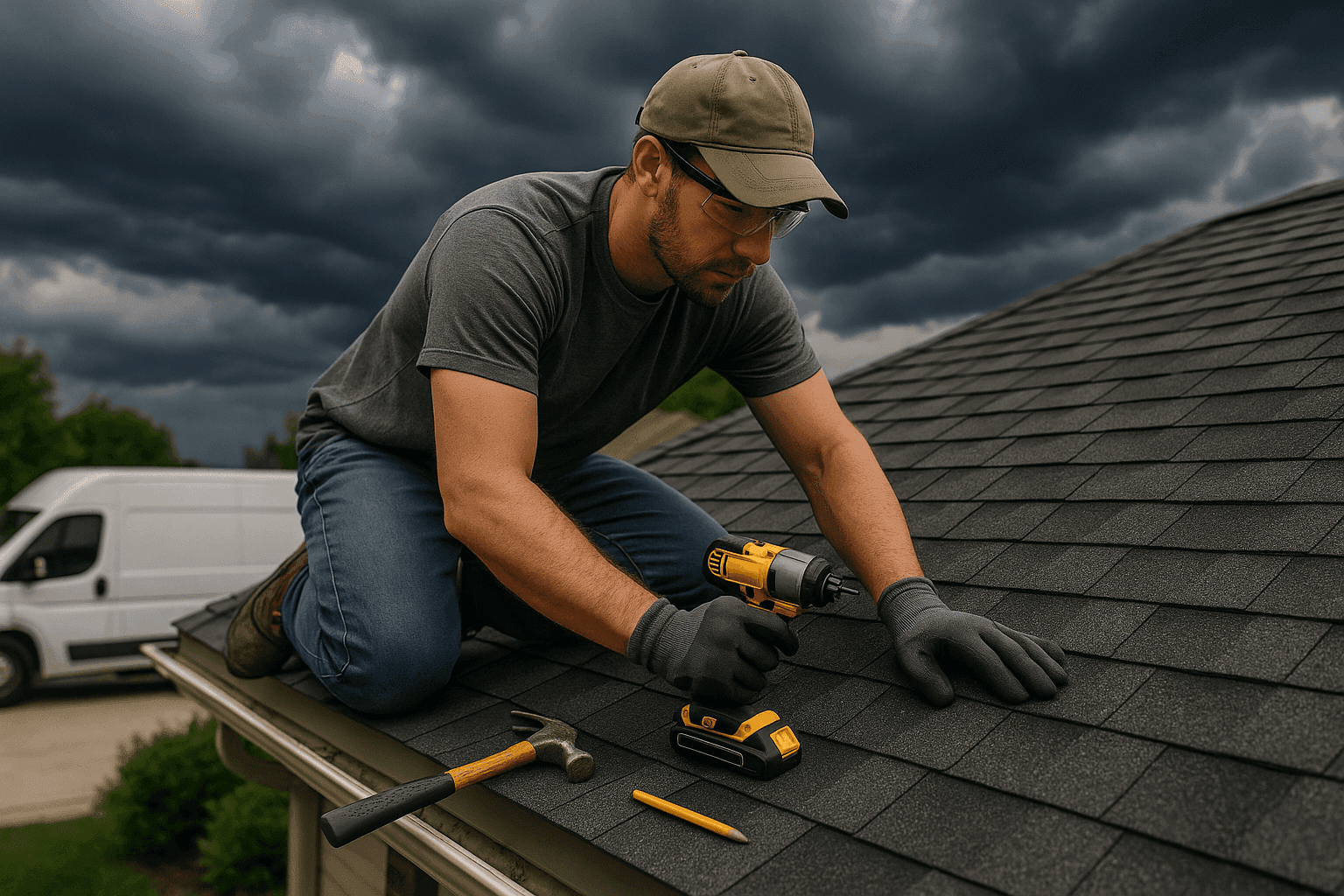
When the sky turns dark and the wind picks up, your roof stands between your family and the storm. It’s your shield. But even the best shields need care. Severe weather can strike without warning, leaving behind leaks, broken shingles, or worse.
At Gregory’s Custom Roofing, we know how quickly a calm afternoon can turn into a roofing emergency. With decades of experience and 24/7 emergency roofing services, we’re here to help you stay one step ahead—before, during, and after the storm.
Understanding Weather Risks to Your Roof 🌩️
Your roof faces more than just rain. Every season brings its own set of threats:
- Heavy Rain: Water finds the smallest gaps. Persistent rain can sneak under loose shingles, causing leaks and water damage.
- High Winds: Gusts can lift shingles, dislodge flashing, and send debris crashing into your roof.
- Hail: Even small hailstones can crack shingles or dent metal roofing.
- Snow & Ice: Weight from snow, plus ice dams at the eaves, can stress your roof’s structure and let water seep inside.
- Extreme Heat & Sun: Over time, UV rays dry out shingles and weaken sealants, making your roof more vulnerable when storms hit.
According to the International Code Council (ICC) and the National Roofing Contractors Association (NRCA), routine checks and maintenance are key to withstanding these threats.
Pre-Storm Roof Inspection Checklist
A little time spent now can save you headaches later. Here’s what to look for before storm season kicks in:
- Loose or Missing Shingles: Scan for bare spots or shingles that curl at the edges.
- Damaged Flashing: Check around chimneys, skylights, and vents for cracked or rusted metal.
- Clogged Gutters & Downspouts: Overflowing gutters can send water straight into your home’s foundation or attic.
- Sagging or Soft Spots: Walk your attic (if safe). Feel for spongy areas—these could signal hidden leaks.
- Moss, Algae, or Debris: Growth and buildup trap moisture. They’re a red flag for future rot.
- Cracked Sealants & Caulking: Look at joints and seams. Old, brittle sealant won’t keep water out.
- Attic Insulation & Ventilation: Poor airflow can lead to condensation and mold, especially after heavy rain.
If you spot any of these, don’t wait. Even small issues can become emergencies under the weight of a storm.
Essential Maintenance Steps Before Storm Season
Think of roof care like tuning up your car before a road trip. These steps help your roof weather the storm:
- Clean Gutters and Downspouts: Remove leaves, twigs, and dirt. Ensure water flows freely away from your home.
- Secure Downspouts: Use brackets or straps to keep them firmly attached.
- Trim Overhanging Branches: Falling limbs are a major cause of roof damage.
- Apply Roof Sealants & Coatings: Fresh sealant around vents, skylights, and flashing blocks leaks.
- Check Attic Ventilation & Insulation: Good airflow prevents moisture buildup and ice dams. The U.S. Department of Energy recommends at least 10-14 inches of insulation in most attics.
- Inspect Roof Decking: Look for signs of rot or damage beneath the shingles.
- Schedule a Professional Inspection: Annual checkups from a certified roofing company can catch problems you might miss.
Emergency Preparedness Tips
When the forecast calls for trouble, it pays to be ready. Here’s how:
- Create a Roof Emergency Kit: Keep a tarp, roofing nails, a hammer, utility knife, and waterproof tape on hand.
- Know Temporary Fixes: If a leak starts, cover the area with a tarp and secure it tightly until help arrives.
- Clear Outdoor Items: Secure patio furniture, grills, and anything else the wind could toss onto your roof.
- Have Emergency Contacts Ready: Save the number for Gregory’s Custom Roofing in your phone.
- Know When to Call a Professional: If you see major leaks, sagging ceilings, or missing shingles after a storm, don’t climb up yourself—call for emergency roofing help right away.
Why Preventative Maintenance Matters
Think of your roof as a living shield. Time and weather wear it down, but regular care keeps it strong. Preventative maintenance does more than just save money—it helps protect your home, your business, and the people inside.
- Reduces Repair Costs: Small fixes now mean fewer big expenses later.
- Extends Roof Life: Well-maintained roofs last longer, saving you the hassle of early replacement.
- Protects Your Investment: Your home or business is likely your biggest asset. Guard it well.
The National Roofing Contractors Association recommends twice-yearly roof inspections—once in the spring, again in the fall.
Emergency Roofing: When to Call for Help 🚨
Some problems can’t wait. If you notice any of the following, it’s time to call for emergency roofing services:
- Active Leaks During a Storm: Water dripping inside means the roof’s protective layers have failed.
- Visible Structural Damage: Sagging, holes, or sections of roof missing after wind or hail.
- Electrical Hazards: Water near light fixtures or wiring is a serious risk—get out and call for help.
- Sudden Gutter or Downspout Failure: If gutters are hanging loose or water is pouring where it shouldn’t, act fast.
Gregory’s Custom Roofing is available 24/7 for emergencies. Our team responds quickly, assesses damage, and takes steps to protect your property until permanent repairs can be made.
What to Expect When Professionals Arrive
When you call for emergency roofing, here’s what happens next:
- Rapid Assessment: We inspect the roof for immediate hazards and prioritize the most urgent repairs.
- Temporary Protection: If needed, we install tarps or temporary barriers to stop water intrusion.
- Detailed Inspection: Once conditions are safe, we examine the full extent of the damage, including flashing, gutters, and decking.
- Clear Communication: We explain what we found, what needs fixing, and the safest way forward—no jargon, just the facts.
- Permanent Repairs: From shingle replacement to structural fixes, we handle every step with care.
Costs & Time Factors: What to Expect
Roof repairs after severe weather can range from quick fixes to major restoration. Here’s what affects the cost and timeline:
- Extent of Damage: A few missing shingles is a faster fix than a large section of torn-off roof.
- Roof Type: Shingle, metal, tile, and flat roofs all require different materials and techniques.
- Accessibility: Steep or high roofs take more time and safety precautions.
- Material Availability: After major storms, some materials may be in high demand.
Most urgent repairs—like tarping or patching—can be done in a few hours. Full repairs or replacements may take several days, depending on weather and complexity. For safety, always follow Occupational Safety and Health Administration (OSHA) guidelines when working at heights.
Frequently Asked Questions
How often should I have my roof inspected?
At least twice a year—spring and fall—plus after any major storm.
What are signs my roof is at risk during a storm?
Loose or missing shingles, damaged flashing, clogged gutters, and leaks in the attic are red flags.
Can I repair a roof leak myself?
Small leaks can be temporarily patched with a tarp, but permanent repairs should be handled by professionals to avoid injury or further damage.
Does insurance cover storm damage?
Many policies include storm damage, but coverage varies. Review your policy and document damage with photos for your adjuster.
Special Considerations for Roof Preparedness
- Flat Roofs: These require extra care with drainage—ponding water can cause leaks or structural issues.
- Metal Roofing: Check for loose fasteners or panels after high winds.
- Skylights & Chimneys: Pay close attention to seals and flashing, as these are common leak points.
- Eco-Friendly Roofs: Green or solar roofs may need specialized inspections and care.
- New Construction: Even new roofs benefit from inspection before their first storm season.
Ready for Any Storm—Anytime
Severe weather is unpredictable, but your response doesn’t have to be. By preparing your roof now, you can face the next storm with confidence. Gregory’s Custom Roofing is here to help—day or night, rain or shine.
Call Gregory's Custom Roofing now — or reach us anytime at 888-991-2840 .